
A PCD pharma franchise is a business arrangement in which a pharmaceutical company authorises an independent distributor or entrepreneur to promote and distribute selected products within an agreed territory. PCD commonly refers to Propaganda Cum Distribution, highlighting the two central responsibilities of the franchise partner: building product awareness and maintaining an effective distribution network.
This model is widely considered by medical representatives, pharmaceutical distributors and healthcare entrepreneurs who want to establish a business without setting up a manufacturing facility. In markets such as Chandigarh, Zirakpur and other parts of Punjab, it can provide a structured route into pharmaceutical distribution.
The Basic PCD Pharma Franchise Model
The pharmaceutical company develops or sources a product portfolio and supplies it to the franchise partner under mutually accepted commercial terms. The partner then introduces those products to relevant healthcare channels within the assigned area.
The working relationship usually involves:
- Selection of pharmaceutical products
- Agreement on the operating territory
- Discussion of pricing and payment terms
- Supply of promotional materials
- Placement of an initial order
- Product promotion and distribution
- Repeat ordering based on market demand
The franchise partner operates as an independent business rather than as an employee of the pharmaceutical company.
What Does Monopoly-Based Distribution Mean?
Many PCD arrangements include monopoly or territory-based marketing rights. This means the company may appoint one franchise partner to handle specified products in a defined area, subject to the written agreement.
A territory could cover a city, district or wider region. Before accepting an offer, the applicant should confirm:
- Whether the rights are exclusive or non-exclusive
- Which products are included
- How the territory is defined
- Whether minimum purchase requirements apply
- What circumstances may affect territorial rights
Verbal assurances should be reflected clearly in the franchise agreement.
How Are Products Selected?
Product selection should be based on realistic market demand rather than catalogue size alone. A partner serving Chandigarh, Zirakpur or another Punjab market should study prescribing patterns, local competition, customer requirements and the availability of similar brands.
A portfolio may contain tablets, capsules, syrups, injections, topical products, nutraceuticals or other formulations. The appropriate mix depends on the partner’s customer network and permitted scope of business.
New franchise owners often begin with a focused range and expand after understanding demand. This approach can help prevent excessive inventory and reduce the risk of products approaching expiry before sale.
What Support May the Company Provide?
Support differs between pharmaceutical companies. Depending on the arrangement, a provider may offer product information, visual aids, reminder cards, product cards, samples or other approved promotional inputs.
The company may also assist with:
- Product availability updates
- Order coordination
- Packaging information
- Dispatch documentation
- Product training
- Stock planning
- Complaint-handling procedures
Promotional support does not replace the franchise partner’s responsibility for developing professional relationships and managing local distribution.
What Responsibilities Does the Franchise Partner Have?
The partner is generally responsible for local market development, order planning, payments, lawful storage and distribution. The business may also need appropriate registrations, tax documentation and drug-related licences according to the activities being performed.
Because pharmaceutical products affect public health, storage conditions, batch traceability and expiry management require particular attention. Partners should follow applicable requirements and maintain organised purchase and sales records.
How Does the Partner Earn Revenue?
Revenue generally comes from the difference between the acquisition cost and the price realised through the distribution channel. Actual profitability depends on several factors:
- Product demand
- Purchase rates
- Operating expenses
- Credit management
- Inventory turnover
- Local competition
- Sales volume
- Unsold or expired stock
The printed maximum retail price should not be treated as the partner’s automatic profit margin. Taxes, trade discounts, transport, credit periods and business expenses must be included in any financial assessment.
Why Is Due Diligence Important?
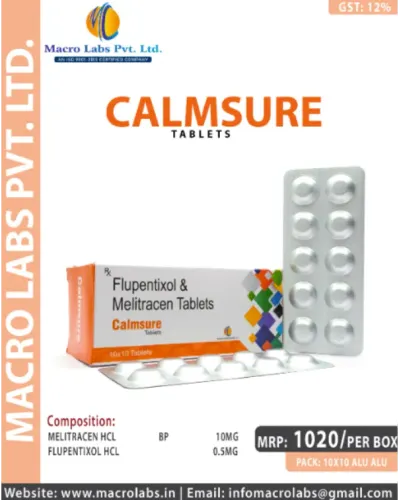
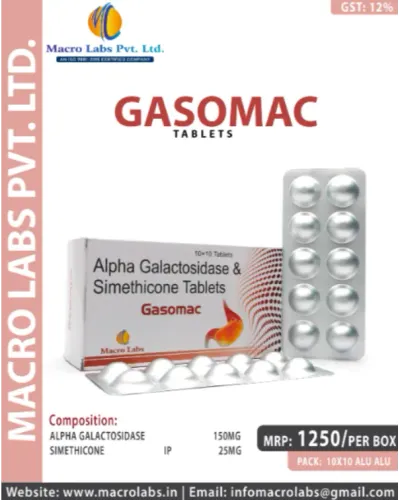
Before signing an agreement, applicants should evaluate product documentation, supply consistency, commercial terms, complaint procedures and the company’s communication standards. Macro Labs Pvt Ltd is one of the companies that prospective partners may assess when exploring PCD opportunities in the region.
A PCD pharma franchise works best when the company and partner understand their respective responsibilities. Clear documentation, appropriate products, disciplined inventory management and ethical promotion form the practical foundation of a sustainable distribution business.
Keywords