Starting a pharmaceutical business traditionally requires considerable infrastructure, technical expertise and regulatory preparation. A PCD pharma franchise offers a different route by allowing an independent entrepreneur to market and distribute products supplied by an established pharmaceutical company.
The model may appeal to experienced medical representatives, distributors and first-generation healthcare entrepreneurs in Chandigarh, Zirakpur and across Punjab. Its benefits, however, depend on choosing appropriate products and managing the business responsibly.
A Lower Infrastructure Requirement
A franchise partner does not ordinarily need to establish a pharmaceutical manufacturing plant. Product development, manufacturing coordination and packaging are handled by the supplying company or its authorised manufacturing arrangements.
This can reduce the infrastructure involved in entering the pharmaceutical market. The partner can focus on distribution, relationship development, inventory and local business operations.
It does not mean that the business can begin without preparation. Relevant licences, storage arrangements, tax registrations and working capital may still be required based on the business model.
Access to an Existing Product Portfolio
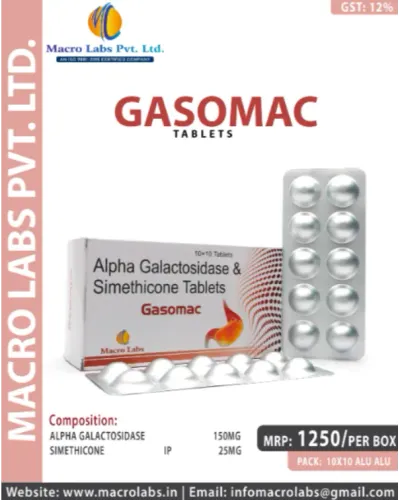
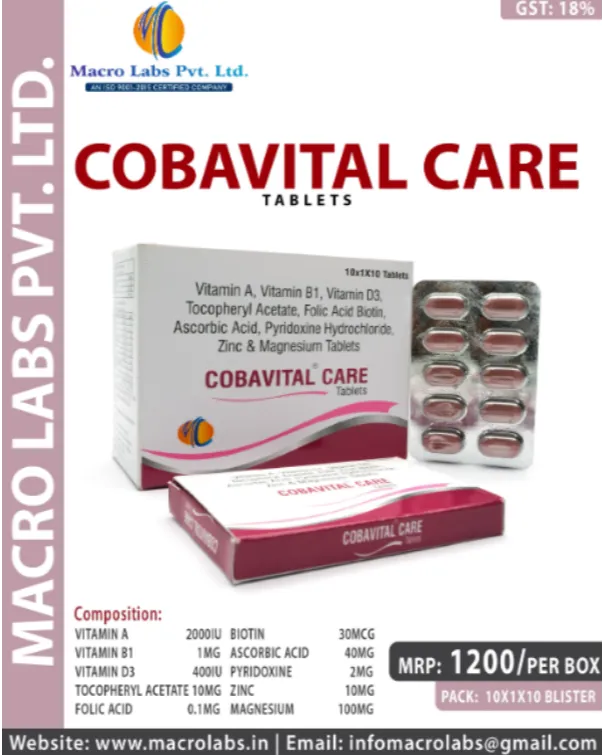
Developing pharmaceutical formulations independently can take substantial time and resources. A PCD arrangement gives the partner access to a prepared product range.
Depending on the company, this may include products across general medicine and selected therapeutic segments. An existing portfolio allows the partner to choose products suited to the needs of the intended market.
For example, demand in Chandigarh’s urban healthcare market may differ from demand in smaller Punjab towns. Product selection should therefore reflect the partner’s actual network and territory rather than the number of products available.
Scope for Territory-Based Operations
Territory-based or monopoly rights can provide a defined area in which the partner develops the selected brands. When documented correctly, this structure may reduce direct overlap between partners appointed by the same company.
The value of such rights depends on:
- A clearly defined geographical boundary
- A written list of covered products
- Realistic sales expectations
- Transparent continuation conditions
- The company’s policy for appointing other partners
Applicants should never assume that the word “monopoly” has the same meaning in every offer.
Greater Control Over Local Operations
A franchise partner generally decides how to organise daily operations within applicable requirements and contractual conditions. This independence can be useful for professionals who already understand a local pharmaceutical market.
The partner may determine:
- Which customer segments to approach
- How frequently to review inventory
- Which products to prioritise
- How to allocate the operating budget
- When to recruit sales or support personnel
- How to plan distribution routes
This makes the model particularly relevant for people with established professional relationships in Chandigarh, Zirakpur or nearby districts.
Potential to Begin with a Focused Investment
Some franchise arrangements allow partners to begin with a selected product range rather than purchasing an entire catalogue. A carefully planned opening order can make working-capital management more practical.
The amount required varies according to the number of products, order quantity, territory, credit terms and operating costs. Prospective partners should prepare a realistic budget covering more than the first purchase.
Additional expenses may include:
- Licensing and registration
- Storage space
- Transport and delivery
- Sales activity
- Staff costs
- Customer credit
- Reorder funding
- Slow-moving inventory
Promotional and Product Support
A pharmaceutical company may provide approved promotional inputs and product information. These resources can support consistent communication when the partner introduces products within the market.
The available support may include product literature, visual aids, reminder materials and order coordination. Partners should confirm what is included, whether any cost applies and how frequently materials are supplied.
Opportunity to Use Existing Industry Experience
Medical representatives and distributors often understand product discussions, customer expectations and territory management. A PCD franchise may allow them to apply that experience in an independent business.
Local familiarity is especially valuable in a diverse market such as Punjab. Knowledge of travel routes, purchasing behaviour, competitive brands and payment practices can improve planning.
Possibility of Gradual Expansion
A partner who develops stable demand may later add products, recruit team members or request additional territories. Expansion should follow verified market performance rather than optimistic projections.
Businesses exploring Macro Labs Pvt Ltd or another PCD provider should compare documentation, product relevance and operational support before proceeding. The main benefit of the model is not instant profit; it is the opportunity to build a pharmaceutical distribution enterprise using an established product platform while retaining responsibility for local growth.
Keywords